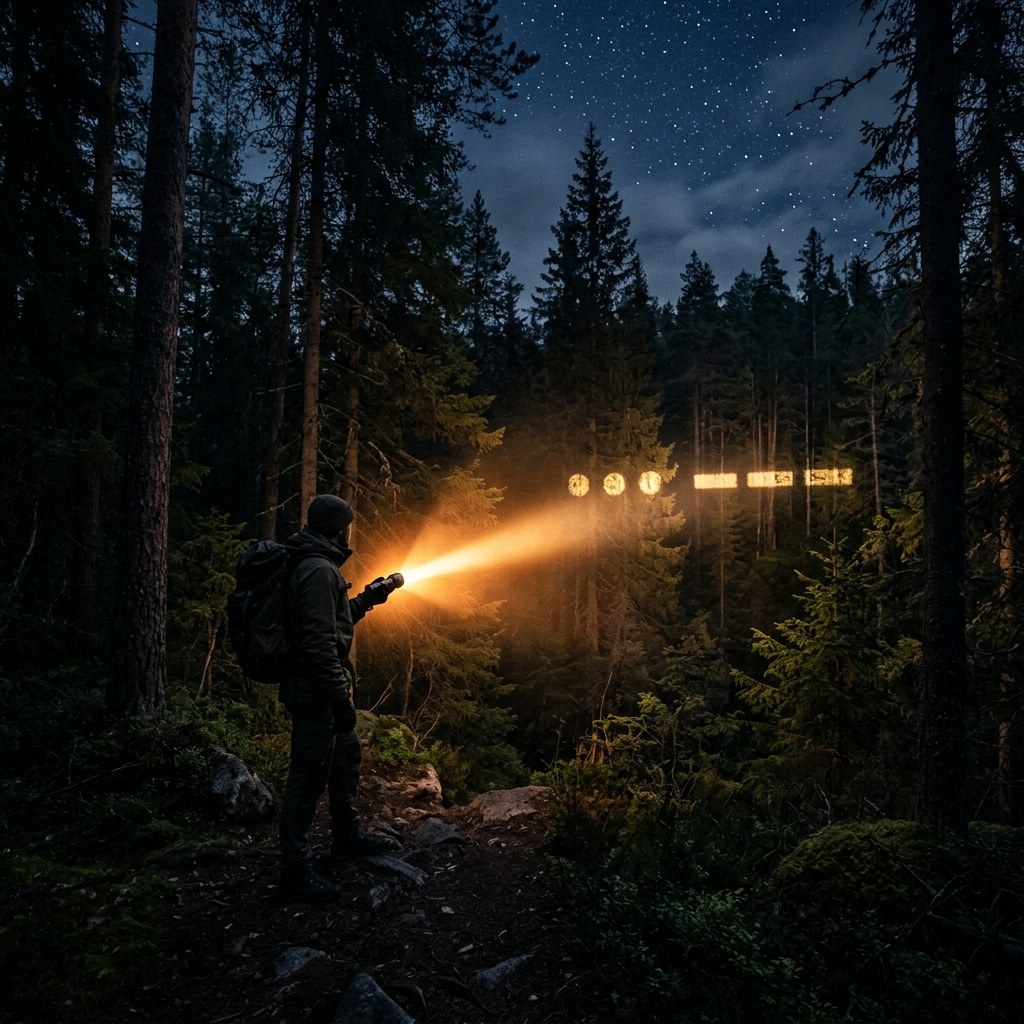
When electronics fail, satellites jam, and voice radio goes silent, Morse code remains the most reliable human-generated distress signal ever devised. I have taught emergency communicators from Search and Rescue volunteers to Navy specialists, and the lesson is always the same: you do not need twenty WPM — you need the right phrases burned into muscle memory. This survival guide lists fifty essential emergency phrases with complete International Morse patterns, organized by scenario so you can study, practice, and deploy them by flashlight, whistle, mirror, or radio when it matters most.
Why Morse Code Still Belongs in Your Survival Kit
Modern preparedness focuses on satellite messengers and cell phones. Both depend on infrastructure that earthquakes, hurricanes, wildfires, and electromagnetic interference can destroy within minutes. Morse code requires no network, no subscription, and minimal equipment — a mirror, a whistle, or two fingers on a pipe.
The U.S. Navy reintroduced Morse training in 2022 specifically because contested electromagnetic environments can disable sophisticated systems while simple CW signals punch through. Amateur radio operators prove daily that low-power Morse contacts span continents when voice fails. Your survival plan should include at least recognition of SOS and the ability to send five to ten critical phrases. Start with our dedicated SOS Morse Code guide for protocol details.
How to Use This Guide
Each phrase includes its International Morse pattern using dots (.) and dashes (-). Slash marks between letter groups indicate word spacing for readability — do not transmit the slashes. Practice each phrase in three modes: visual reading, audio copy on the trainer, and physical sending via tap or light using our light Morse guide.
Priority tiers: Tier 1 phrases are life-critical — memorize before any trip. Tier 2 phrases communicate situation details to rescuers. Tier 3 phrases support extended survival coordination.
Tier 1: Life-Critical Distress Signals
These six phrases can save your life. Know them cold.
- SOS — ... --- ...
- MAYDAY — -- .- -.-- -.. .- -.--
- HELP — .... . .-.. .--.
- EMERGENCY — . -- . .-. --. . -. -.-. -.--
- HELP ME — .... . .-.. .--. / -- .
- SAVE ME — ... .- ...- . / -- .
SOS is recognized globally regardless of language. Transmit it as one continuous pattern without pauses between S, O, and S letters. Repeat indefinitely until acknowledged. Three short flashes, three long, three short works identically for visual signaling.
Tier 1: Immediate Status Reports
- INJURED — .. -. .--- ..- .-. . -..
- LOST — .-.. --- ... -
- STRANDED — ... - .-. .- -. -.. . -..
- TRAPPED — - .-. .- .--. .--. . -..
- CANNOT MOVE — -.-. .- -. -. --- - / -- --- ...- .
- NEED HELP NOW — -. . .-.. / .... . .-.. .--. / -. --- .--
Tier 2: Medical and Physical Condition
- BROKEN LEG — -... .-. --- .-. . -. / .-.. . --.
- BLEEDING — -... .-.. . .-.. .. -. --.
- UNCONSCIOUS — ..- -. -.-. --- -. ... -.-. .. --- ..- ...
- HEART ATTACK — .... . .- .-. - / .- - - .- -.-. -
- NOT BREATHING — -. --- - / -... .-. . .- - .... .. -. --.
- HYPOTHERMIA — .... -.-- .--. --- - .... . .-. -- .. .-
- DEHYDRATED — -.. . .... -.-- -.. .-. .- - . -..
- POISONED — .--. --- .. ... --- -. . -..
- ALLERGIC REACTION — .- .-.. .-.. . .-. --. .. -.-. / .-. . .- -.-. - .. --- -.
- MEDICINE NEEDED — -- . -.. .. -.-. .. -. . / -. . .-.. . -..
Tier 2: Environmental Hazards
- FIRE — ..-. .. .-. .
- FLOOD — ..-. .-.. --- --- -..
- AVALANCHE — .- ...- .- .-.. .- -. -.-. .... .
- ROCK SLIDE — .-. --- -.-. -.. / ... .-.. .. -.. .
- STORM COMING — ... - .-. --- -- / -.-. --- -- .. -. --.
- LIGHTNING — .-.. .. --. .... - -. .. -. --.
- BEAR — -... . .- .-.
- SNAKE BITE — ... -. .- -.- . / -... .. - .
Tier 2: Resource Needs
- NEED WATER — -. . .-.. / .-- .- - . .-.
- NEED FOOD — -. . .-.. / ..-. --- --- -..
- NEED SHELTER — -. . .-.. / ... .... .-.. - . .-.
- NEED RESCUE — -. . .-.. / .-. . ... -.-. ..- .
- LOW ON FUEL — .-.. --- .-- / --- -. / ..-. ..- . .-..
- NO POWER — -. --- / .--. --- .-- . .-.
- RADIO DEAD — .-. .- -.. .. --- / -.. . .- -..
Tier 3: Location and Coordination
- WHERE ARE YOU — .-- .... . .-. . / .- .-. . / -.-- --- ..-
- MY LOCATION — -- -.-- / .-.. --- -.-. .- - .. --- -.
- COORDINATES — -.-. --- --- .-. -.. .. -. .- - . ...
- NORTH — -. --- .-. - ....
- SOUTH — ... --- ..- - ....
- EAST — . .- ... -
- WEST — .-- . ... -
- GOING UP — --. --- .. -. --. / ..- .--.
- GOING DOWN — --. --- .. -. --. / -.. --- .-- -.
- WAIT FOR ME — .-- .- .. - / ..-. --- .-. / -- .
Tier 3: Group and Communication Status
- ALL OK — .- .-.. .-.. / --- -.-.
- ALL SAFE — .- .-.. .-.. / ... .- ..-. .
- ONE CASUALTY — .-.. --- -. . / -.-. .- ... ..- .- .-.. - -.--
- TWO PEOPLE — - .-.. --- / .--. . --- .--. .-.. .
- THREE PEOPLE — - .... .-. . . / .--. . --- .--. .-.. .
- REPEAT — .-. . .--. . .- -
- UNDERSTAND — ..- -. -.. . .-. ... - .- -. -..
- DO NOT UNDERSTAND — -.. --- / -. --- - / ..- -. -.. . .-. ... - .- -. -..
- MESSAGE RECEIVED — -- . ... ... .- --. . / .-. . -.-. . .. ...- . -..
- WAITING FOR REPLY — .-- .- .. - .. -. --. / ..-. --- .-. / .-. . .--. .-.. -.--
Complete Quick-Reference Table: All 50 Phrases
Use this table for printable reference cards. Verify any phrase with the Morse Code Translator before relying on it in the field.
- SOS — ... --- ... | HELP — .... . .-.. .--. | MAYDAY — -- .- -.-- -.. .- -.--
- EMERGENCY — . -- . .-. --. . -. -.-. -.-- | INJURED — .. -. .--- ..- .-. . -.. | LOST — .-.. --- ... -
- TRAPPED — - .-. .- .--. .--. . -.. | FIRE — ..-. .. .-. . | FLOOD — ..-. .-.. --- --- -..
- NEED WATER — -. . .-.. / .-- .- - . .-. | NEED FOOD — -. . .-.. / ..-. --- --- -.. | NEED RESCUE — -. . .-.. / .-. . ... -.-. ..- .
- BROKEN LEG — -... .-. --- .-. . -. / .-.. . --. | BLEEDING — -... .-.. . .-.. .. -. --. | HEART ATTACK — .... . .- .-. - / .- - - .- -.-. -
- ALL OK — .- .-.. .-.. / --- -.-. | REPEAT — .-. . .--. . .- - | UNDERSTAND — ..- -. -.. . .-. ... - .- -. -..
For non-emergency phrase practice including greetings and common expressions, visit our Phrases in Morse Code collection with audio playback.
Transmission Methods Without Radio
Flashlight and Mirror
Short flash = dot. Long flash = dash. Three short, three long, three short for SOS. Signal toward aircraft, ships, or search parties at night. Mirror heliograph works in daylight over miles of terrain.
Whistle and Horn
Short blast = dot. Long blast = dash. Whistles carry farther than voice in forest and mountain terrain. Standard mountaineering whistle signals overlap with Morse timing principles.
Hand Tap and Ground Strike
Tap once quickly for dot, sustained tap for dash. POW prisoners used this method successfully in captivity. Practice on a pipe, rock, or wall until timing feels automatic.
Practice Schedule for Survival Readiness
- Week 1: Memorize SOS, HELP, and MAYDAY. Send each by tap and flashlight ten times daily.
- Week 2: Add INJURED, LOST, NEED WATER, and FIRE. Copy from audio on the trainer at five WPM.
- Week 3: Learn numbers for coordinates. Drill on the numbers page.
- Week 4: Scenario drills — simulate injury and send appropriate phrase sequence without reference card.
Fifteen minutes daily for one month builds reliable emergency capability. You do not need ham radio licensing for survival Morse, but licensed operators can transmit legally on emergency frequencies with vastly greater range.
Legal and Protocol Notes
SOS has no legal restriction — anyone may transmit it in genuine distress. On amateur radio bands, licensed operators follow ITU and FCC procedures. Unlicensed transmission is permitted only for immediate life-threatening emergencies in the United States under FCC Part 97.403. Know your jurisdiction's rules before practicing on live radio frequencies.
Stay alive, stay signaling. The fifty phrases in this guide fit on an index card waterproofed in your pack. MorseCoder’s survival set starts with SOS for a reason: it is the signal people wish they had learned sooner, not later.